
Jack Lynch Cancer Initiative
Extending a legacy of leadership and equity
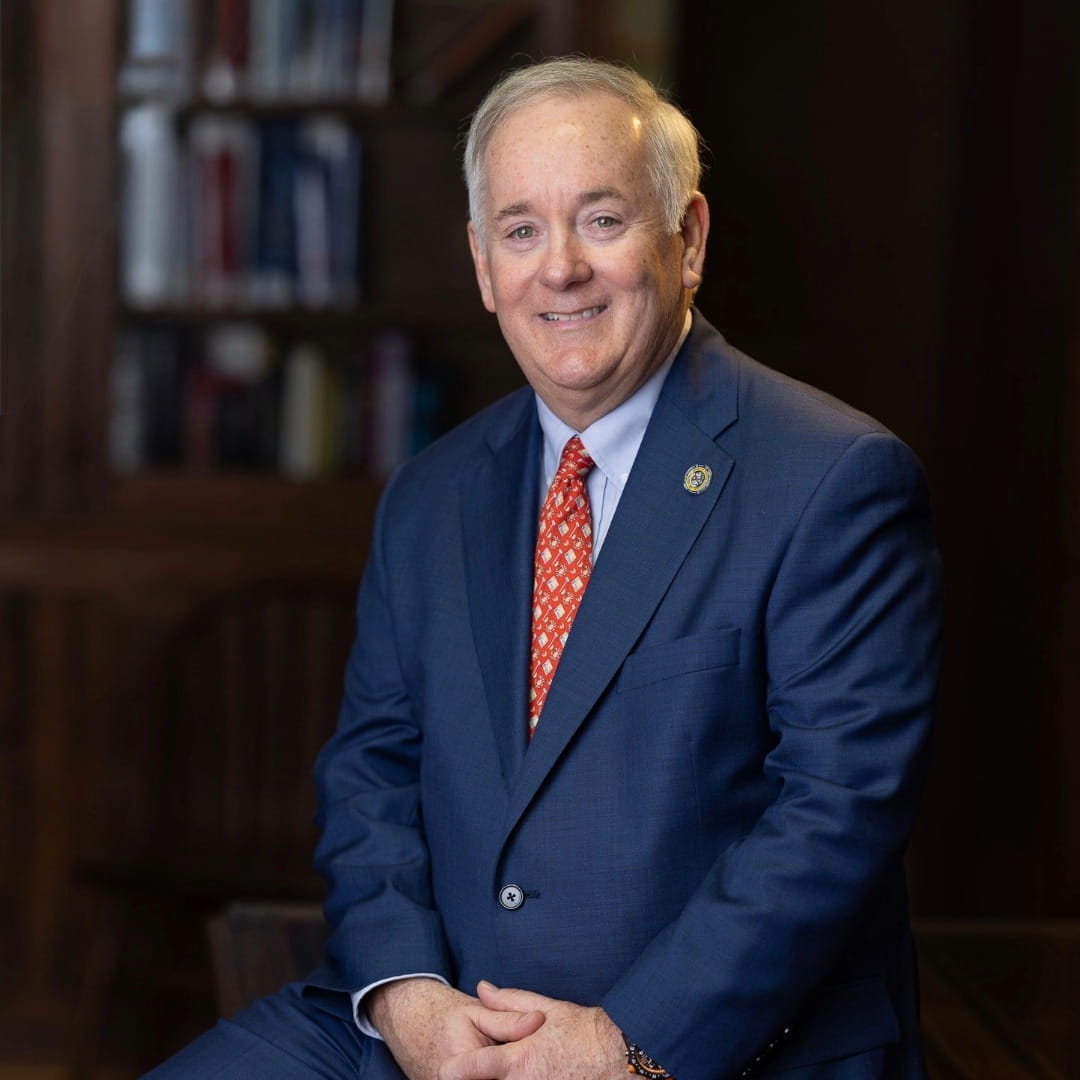
Main Line Health marked a historic leadership transition in June as longtime President and CEO Jack Lynch retired after two decades of transformative leadership, succeeded by Ed Jimenez.
Lynch is nationally recognized for his unwavering dedication to patient safety, clinical excellence, health equity and employee well-being. To honor his extraordinary tenure, the health system launched The Jack Lynch Cancer Initiative: Closing Gaps in Care at Main Line Health, a philanthropic campaign focused on one of today's most pressing challenges — equitable access to cancer care. To date, the campaign has raised an incredible $5.5 million (and counting) to remove barriers to cancer education, prevention and treatment.
Why focus on equitable cancer care? Jack's commitment to health equity is deeply personal. As the son of an oncologist and a nurse who were early adopters of efforts to reduce disparities in care, Jack learned early on the importance of access to high-quality cancer care — regardless of race, income, gender, or other background factors. That lesson became a cornerstone of his leadership and the driving force behind this initiative.
Thanks to the generosity of more than 500 donors, the initiative began making an immediate impact during Fiscal Year 2025. Early funding allowed Main Line Health to hire two oncology community health workers (CHWs) — trusted members of the community who support prevention outreach, cancer screenings, and patient navigation. Now, a full complement of CHWs is in place across the health system, working alongside oncology social workers and nurse navigators to better address the complex, real-life needs of community members and the growing number of cancer patients.
The campaign also established the Jack Lynch Cancer Equity Fellow, a new role designed to take a deeper look at the root causes of disparities in cancer outcomes and how to address them. The Fellow will work collaboratively with oncology teams and Main Line Health's Health Equity Department to advance evidence-based strategies for reducing gaps in care. Recruitment for this critical position is slated to begin in spring 2026.
Donors shared powerful reasons for supporting the initiative. One, a prostate cancer survivor, noted how crucial education and resources were to his own journey. Another was moved by Jack's lifelong advocacy for health equity and felt compelled to help carry that legacy forward.
"I believe the efforts we're taking now will make a lasting impact," Jack shared. "I can't express how grateful I am to all who contributed to this program."
As Main Line Health enters a new chapter, the Jack Lynch Cancer Initiative ensures that Jack's vision — a medical system where everyone has the opportunity to achieve their best possible health — will continue shaping lives for years to come.
"Helping people regain health has been near and dear to me since I was a child. You might say it's in my blood since I learned so much about this from my mother, a nurse, and my father, an oncologist, who not only cared for cancer patients but fought to make sure all his patients had equitable access to care."
— Jack Lynch

Removing barriers, restoring hope: Jack Lynch Cancer Initiative community health workers in action
After losing her husband in February, 62-year-old Marjorie found herself newly diagnosed with cancer and solely responsible for her household. Without her husband’s benefits and with limited income, she and her son — who moved in with her to assist — faced food insecurity and utility shutoffs. Dana, a Community Health Worker (CHW) at Riddle Hospital, connected Marjorie with vital support, including food deliveries from organizations like Mom’s Meals and help with utility bills. These interventions helped to ensure that Marjorie could focus on her treatment without additional stress. Dana continues to check in regularly, building trust and helping Marjorie navigate her care journey with dignity.
Juliana, another CHW, recently played a key role in helping several patients complete potentially life-saving colorectal cancer screenings. One patient, anxious about the procedure, nearly backed out — but Juliana took the time to explain every step and followed up afterward to ensure he felt supported. Another patient lacked transportation to the pharmacy for prep medication. Juliana coordinated access to the medication and confirmed she was ready for the appointment. Thanks to Juliana's persistence and compassion, both patients were able to complete critical screenings they might not have otherwise had.