
Philanthropy in Action at Paoli Hospital
Paoli Hospital's "Irene's Fund" fills the gaps for patients in need
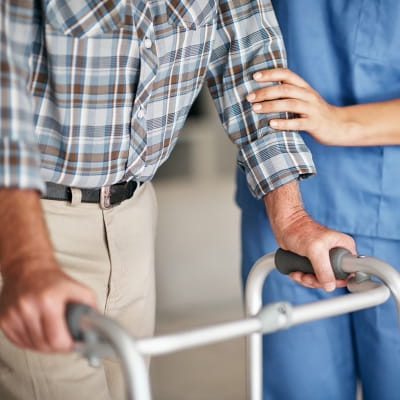
Patients being released from the hospital require support to continue to recover — but sometimes they can't afford the equipment, prescriptions or even nutrition they need.
A fund named to honor a donor who had special medical needs herself has been filling in the gaps for years and is now, thanks to additional support, expanding to cover the growing number of uninsured or underinsured patients at Paoli Hospital.
Called Irene's Fund, it provides patients in need with durable medical equipment like walkers, wheelchairs, at-home IVs, prescription medication, home health care services, temporary respite care, and nutrition services. Its pioneering Eat Well, Be Well program identifies patients who are food insecure and provides them with a bag of food at the time of discharge, including several meals to help them transition back to life at home as well as information on food resources in the community.
According to Joanne Freyvogel, Manager of Care Coordination at Paoli Hospital, Irene's Fund has been critical to patients and caregivers alike. "I can't imagine how our care coordination team would function without it," she said. "Each year, patients ranging from age 19 to 91 have been supported through Irene's Fund, and we predict that number will only rise."
One patient — a 65-year-old veteran named Ted — was living in his car with open wounds on his arms and legs. When they became too painful, he turned to Paoli Hospital where he was treated for 15 days with IV antibiotics, pain medication and daily dressing. However, upon discharge, Ted required daily wound care that he could not manage on his own. Irene's Fund provided resources so Ted could stay at a facility where he could fully recover before a more permanent housing solution could be arranged by Veterans Affairs.
"Patient assistance funds like Irene's Fund are a win-win," said Yonathan Kebede, President of Paoli Hospital. "Patients get the help they need to fully recover, which means they are less likely to return to the hospital. This keeps beds open for new patients, some of whom may have more acute needs."
Added Freyvogel: "When you are at the bedside of someone who desperately needs medication, equipment or food but has no way to get it, you want to help them. Luckily, we live in a community that cares about people they have never even met."
What's even better is that caring appears to be contagious. Paoli's Eat Well, Be Well Program has been replicated at Main Line Health's three other acute care hospitals, providing yet another example of the power of philanthropy to make the world a better place, one idea at a time.
A helping hand for cancer patients
Cancer is an area where patient assistance is critical at Main Line Health — especially given the complex and lengthy protocols involved in most cancer treatments.
Aligned with the Jack Lynch Cancer Initiative, which includes funds to assist patients with transportation and other barriers to timely treatment, Paoli's new Oncology Patient Assistance Fund was created to ensure that underserved hospital patients have what they need to focus on their cancer treatments.
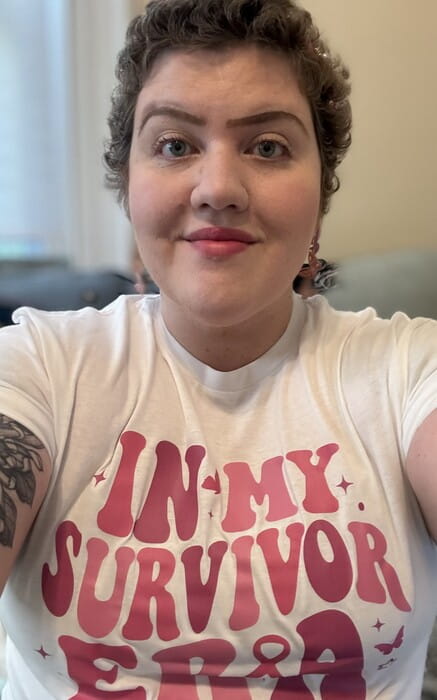
Take Melanie, a young woman in her early 30s diagnosed with breast cancer. Since she doesn't drive, Melanie was worried about how she would get to her appointments, which often were daily.
Working with the oncology social work team, Melanie was provided with free medical transportation services, which eased her financial burden while allowing her to remain independent.
Today, Melanie is in remission and said she is "so grateful" to Paoli donors for recognizing the unique challenges cancer patients face and providing help when she needed it most.